
Read by Topics:

Cosmetics • May 6, 2026
Private Label: The “IP Landlord” Trap
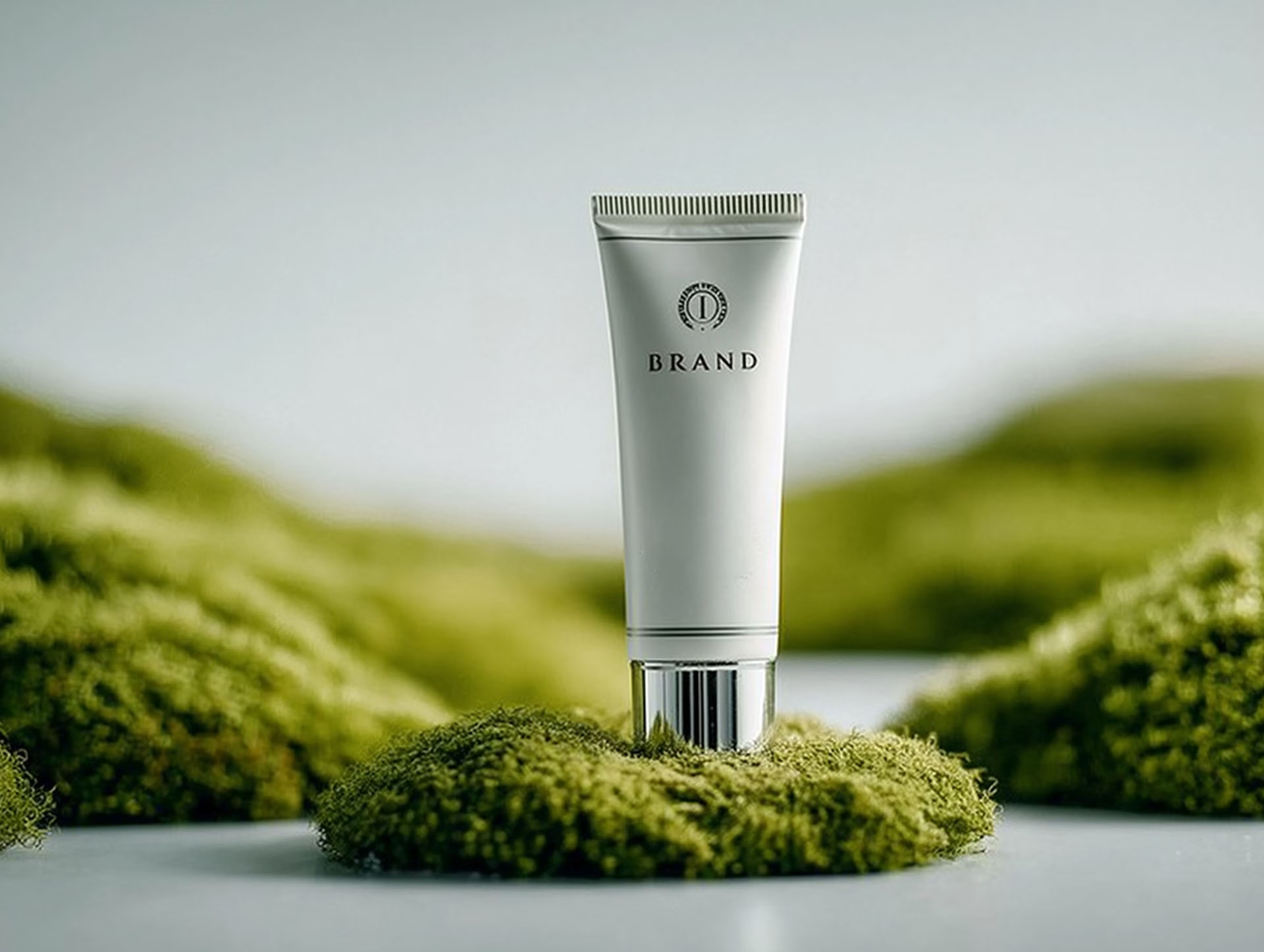
When you first move away from home you rent an apartment. Usually, something simple and convenient. You don’t care much about the wall colors and the counter-top. At that stage, all you need is a fast way to get to work or university. Everything else is a bonus. No gym? I will walk. Eggshell paint? I will keep the lights off. The years pass by and now you have finished university or got a promotion in your job. You start to have more income and your friends are starting to buy their homes. You visit an old pal from university continue reading ->
Diego Lapetina • 4 minutes
Cosmetics • March 25, 2026
APL: Where Cosmetic Chemistry Becomes Brand Architecture
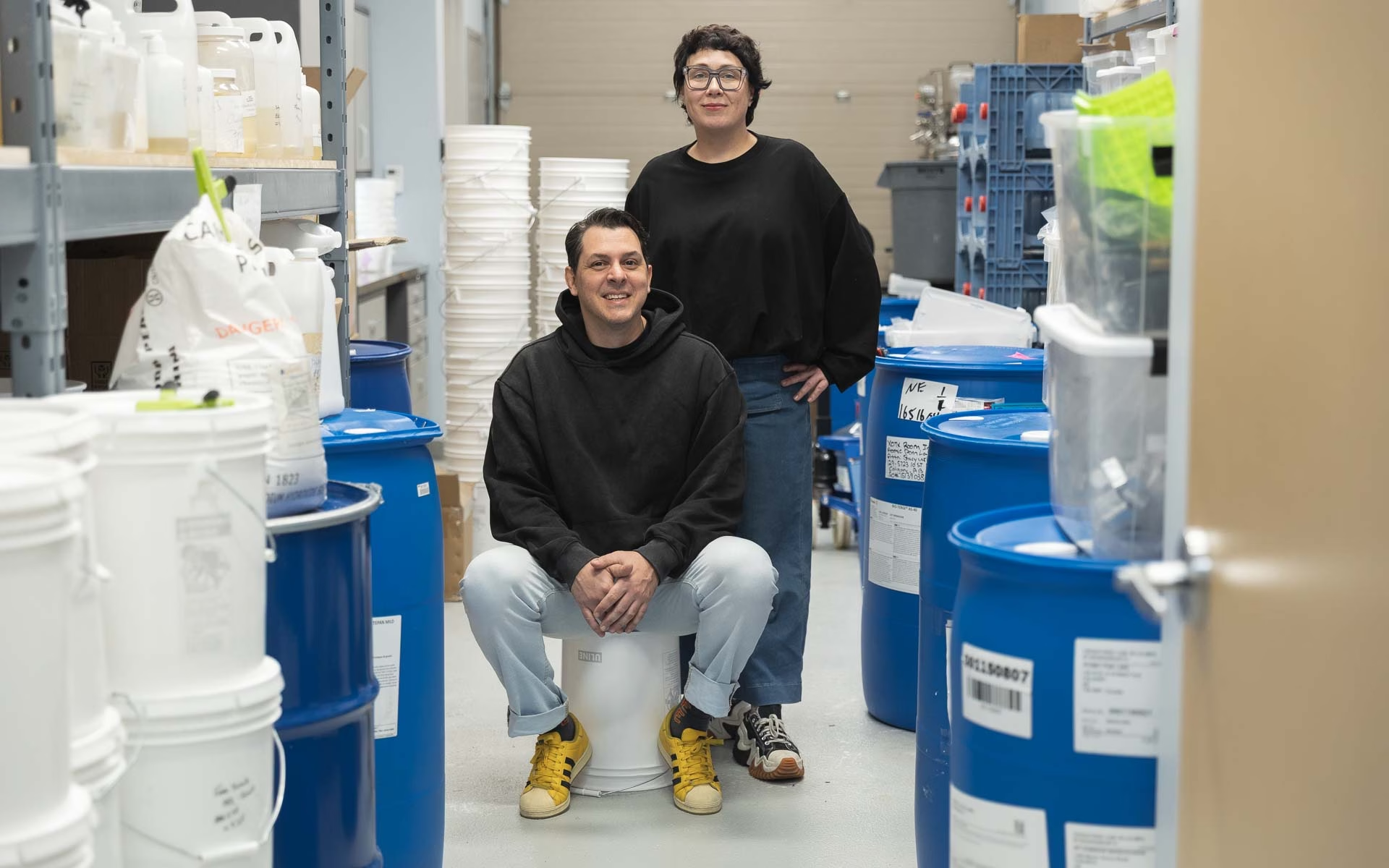
In the global beauty industry, ideas are abundant. Execution is rare. True product development requires more than inspiration, trend awareness, or access to ingredients. It requires scientific discipline, regulatory literacy, creative vision, and the ability to translate a concept into a stable, manufacturable, and market-ready product. Atomic Pom Labs exists precisely at that intersection. We are not a contract manufacturer, and we are not a marketing agency that happens to recommend formulas. Atomic Pom Labs is a cosmetic development studio built to guide brands from concept to reality through formulation science, regulatory structure, and brand integration. We work with founders continue reading ->
Annie Graham • 4 minutes
Trends & Insights • February 17, 2026
Bridgerton, Body Odor, and the Great Perfume Cover-Up
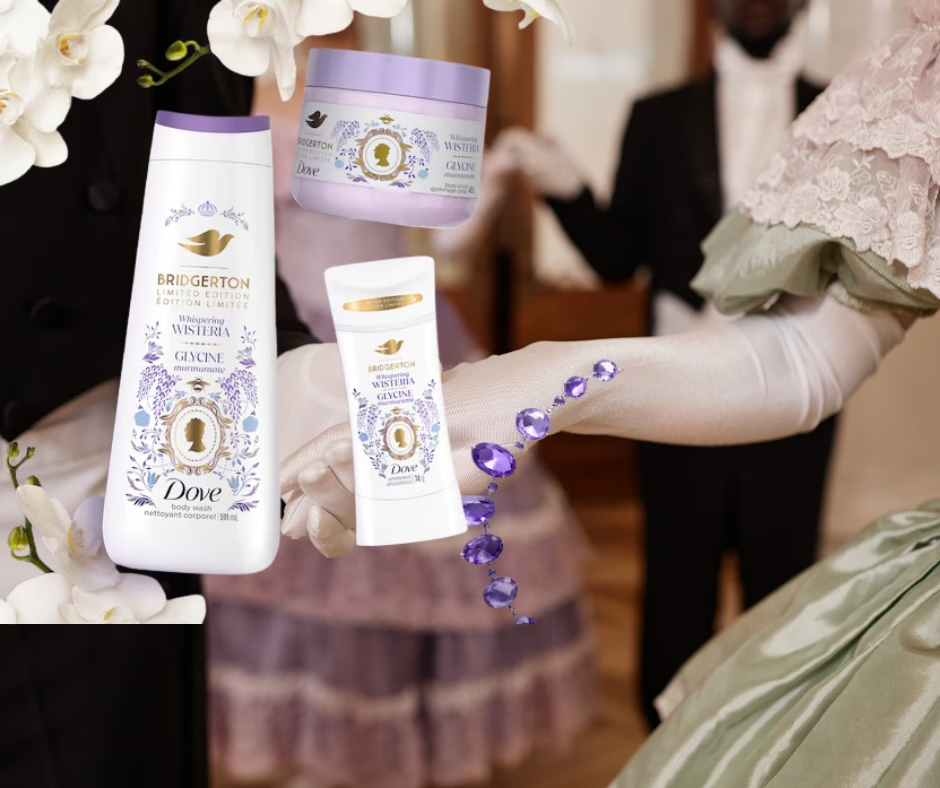
Why Regency Era Hygiene Was Not Exactly “Fresh Linen” If you’ve recently seen the Bridgerton-inspired Dove deodorant collaboration, you might be imagining candlelit ballrooms filled with roses, powdered wigs, and impossibly clean aristocrats exchanging longing glances across parquet floors. Let’s correct the record, for the record. People in the Regency era (roughly 1811–1820 in England, the period Bridgerton draws inspiration from) did not smell like peonies and sandalwood. They smelled like humans who lived before modern plumbing, modern laundry systems, modern detergents, modern antiperspirants, and frankly, modern expectations. And no amount of lavender water could fully fix that. Remember, bathing continue reading ->
Annie Graham • 3 minutes

Trends & Insights • February 17, 2026
Honesty in the Beauty Industry
Before Nicola Kilner was the CEO of a billion-dollar beauty industry empire, she was a young girl in Nottingham, a silent witness to the domestic liturgy of the vanity table. There was a specific, sensory cadence to her mother’s routine: the rhythmic click of a gold L’Oréal Elnett can, the tactile heat of rollers, and the meditative application of Clinique’s three-step. It was the quiet precision of a woman assembling herself for the world. It was beautiful. It was also, as Kilner would eventually realize, a performance staged on a foundation of incomplete information. The Great Asymmetry For decades, the continue reading ->
Diego Lapetina • 5 minutes

Cosmetics • February 11, 2026
Skin Barrier Repair: Why Doing Less Often Works Better
The concept of “skin barrier repair” has become one of the most discussed topics in modern skincare. From a biological perspective, however, the barrier is not something that typically “breaks” on its own. In most healthy individuals, the skin is designed to maintain and restore its own protective function. More often than not, barrier disruption is not inherited or inevitable. It is induced. Understanding how the skin barrier works helps clarify why this happens and why recovery often requires restraint rather than intervention. The outermost layer of the skin, the stratum corneum, is frequently described using the “brick and mortar” continue reading ->
Annie Graham • 4 minutes
Cosmetics • February 18, 2026
Formulation Lab vs Contract Manufacturer. Who Should You Choose?
Formulation Lab vs Contract Manufacturer: Who Actually Owns Your Skincare Formula? Most beauty founders believe the choice between a formulation lab and a contract manufacturer is a production decision. It feels practical, logistical, and safely technical. A question of who can make the product and how quickly it can get to market. It isn’t. It is a decision about ownership, control, and what happens to your brand when growth introduces friction. It is about whether your product remains something you command, or something you are allowed to access as long as a relationship remains convenient. This distinction rarely appears in continue reading ->
Annie Graham • 6 minutes