
Why Regency Era Hygiene Was Not Exactly “Fresh Linen”
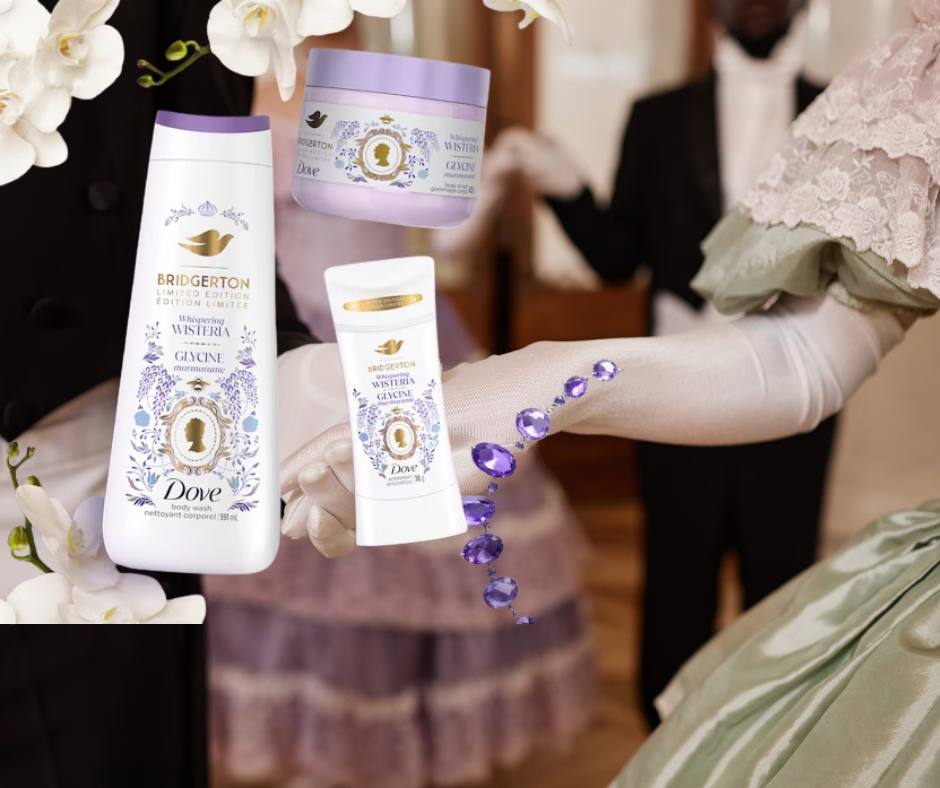
If you’ve recently seen the Bridgerton-inspired Dove deodorant collaboration, you might be imagining candlelit ballrooms filled with roses, powdered wigs, and impossibly clean aristocrats exchanging longing glances across parquet floors.
Let’s correct the record, for the record.
People in the Regency era (roughly 1811–1820 in England, the period Bridgerton draws inspiration from) did not smell like peonies and sandalwood. They smelled like humans who lived before modern plumbing, modern laundry systems, modern detergents, modern antiperspirants, and frankly, modern expectations.
And no amount of lavender water could fully fix that. Remember, bathing was… occasional and a treat.
Contrary to popular belief, people in the Regency era did bathe. Just not often by modern standards. Full-body immersion bathing was typically done weekly, monthly, or even less frequently depending on access to heated water, privacy, and cost.
Heating bath water required labor. Someone had to haul water, heat it over a fire, and carry it upstairs. Suddenly skipping bath day makes a lot more sense.
Daily hygiene focused more on “washing up” with basins of water, cleaning the face, hands, and sometimes underarms using cloths and soap. This helped, but it did not replace a proper shower with surfactants that actually remove sweat oils and odor-producing bacteria.
Modern deodorant chemistry exists for a reason.
Clothing Did Most of the Hygiene Work
Instead of frequent bathing, Regency fashion relied heavily on linen undergarments called shifts or chemises. Linen is highly absorbent and washable, so these garments acted like the era’s version of moisture wicking base layers.
People changed these garments more often than they bathed, which helped manage odor somewhat. Outer garments, however, were rarely washed because fabrics like wool, silk, and structured tailoring were difficult to clean and expensive to replace. And really held smells.
Imagine wearing the same blazer for months while only changing your T-shirt underneath. That’s closer to historical reality than the sparkling wardrobes on television.
Perfume Was Not a Luxury. It Was Survival.
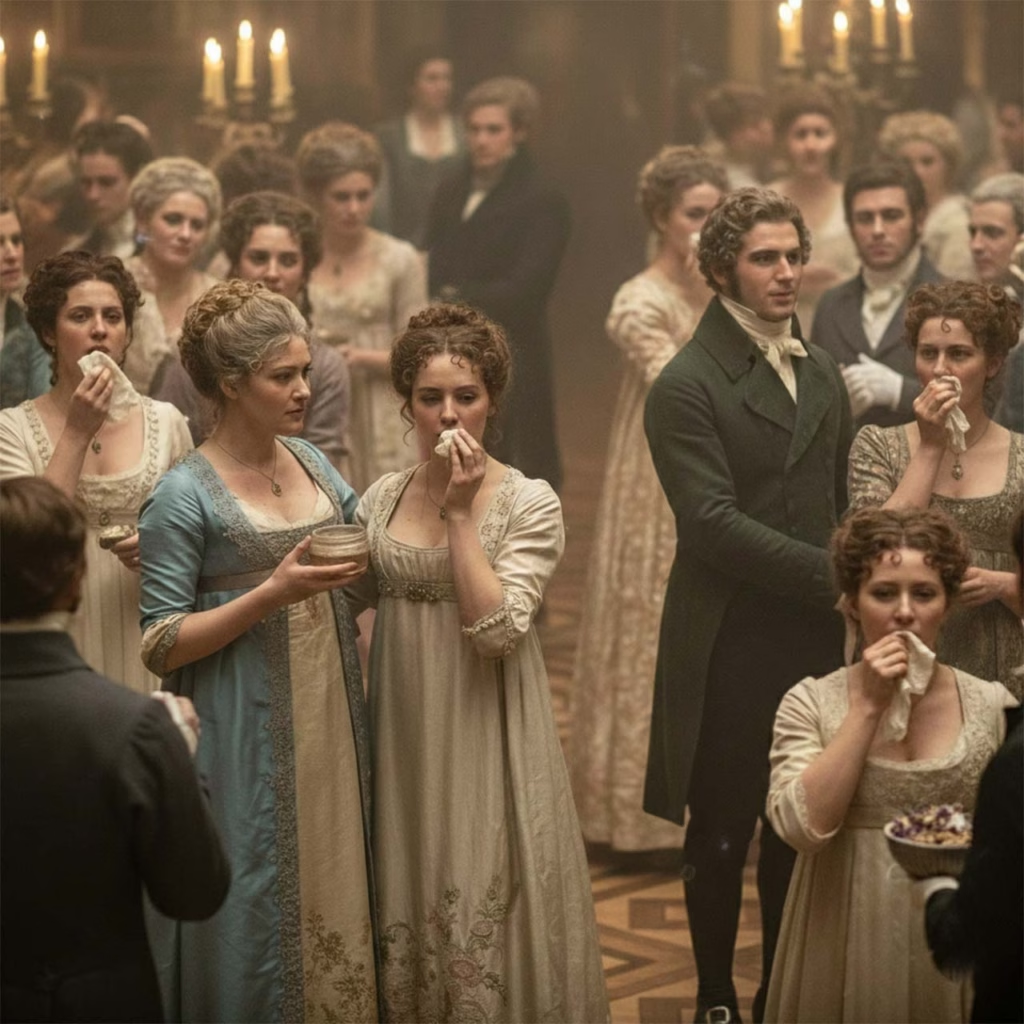
Perfume and scented powders were not just fashion statements. They were odor management tools. Common fragrance materials included:
- Lavender water
- Rose oil
- Bergamot
- Ambergris (Google it!)
- Musk
These were applied generously to skin, hair, gloves, and clothing. Rooms were also scented with potpourri and burning resins. But, this did not eliminate odor, it just layered fragrance on top of it.
If you’ve ever walked past someone wearing too much perfume after a gym session, you already understand Regency scent culture. Phew.
Hair Was a Situation
Hair washing was infrequent. Pomades made from animal fats and waxes were commonly used for styling. These could go rancid over time, which is exactly as unpleasant as it sounds. Powdered hair, popular in the late 18th century, also trapped oils and odors. While the Regency period saw less powdering, heavy styling products remained common. Television adaptations wisely skip this detail because romance is harder to sell when everyone smells faintly like oxidized tallow. Although it would add a level of animated drama during kissing scenes.
Teeth Were Not Winning Awards Either
Tooth cleaning existed using cloths, powders, and primitive toothbrushes, but dentistry was limited. Sugar consumption was rising in Europe, and cavities were common. Breath at a crowded ballroom probably wasn’t the enchanting experience costume dramas suggest.
Reality vs Marketing Fantasy:
- Bridgerton presents a hyper polished version of Regency life where everyone appears freshly bathed, glowing, and lightly scented with garden florals.
- This is intentional. Historical accuracy is less important than visual storytelling.
- The Dove collaboration plays on that fantasy. It connects modern hygiene products with a romanticized past that was, in reality, far less fragrant.
- And this is where marketing quietly wins.
- Because the truth is simple: modern deodorant is one of the greatest quality of life inventions in human history.
- We don’t actually want to smell like the Regency era.
- We want to smell like we imagine the Regency era smelled.
- Which is roses, not reality.
The Takeaway
Historical beauty rituals were creative solutions to real limitations. Perfume masked odor because people lacked access to the chemistry we now take for granted. Today, we have antimicrobial washes, effective surfactants, antiperspirant actives, and laundry systems that would look like magic to a Regency household. Oh, and indoor plumping.
So while the Bridgerton deodorant collaboration is charming, it also highlights something funny and true:
The past smelled worse than the marketing.
And thankfully, science fixed that.